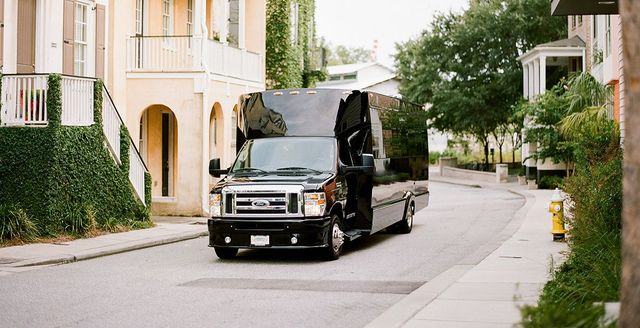
Managing transportation for groups often feels complex, as timing, comfort, and logistics must align smoothly. Regardless of whether the event is work-related, social, or festive, how guests travel impacts their overall perception. An organized transportation strategy alleviates stress, ensures timeliness, and promotes comfort for guests. Transporting attendees involves more than logistics; it ensures get more info smooth transitions and professionalism. Efficient coordination allows attendees to concentrate on the event instead of travel issues. Careful organization turns transportation into a natural, effortless component of the celebration.
Lowcountry Valet knows that attention to detail is crucial for smooth group coordination. Years of coordinating group movements have shown that preparation, communication, and flexibility are key elements in delivering a polished experience. Guests should experience travel as seamless, while significant planning occurs behind the scenes. Anticipating needs ahead of time allows schedules to remain intact and expectations to be exceeded. When transportation is handled properly, it enhances the event’s tone and elevates the overall atmosphere. These insights are designed to help planners and hosts create organized, smooth-running events that leave a lasting impression.
Understanding the Scope of Your Event
The first step in managing group transportation successfully is understanding the full scope of the event. Identify the guest count, event style, and complete agenda. Different events have different transportation needs, and clarity at this stage helps prevent complications later. Guest expectations, arrival times, and departure windows all play an important role in shaping the plan. Early definition of these elements allows transport to support the event’s rhythm. Thorough planning creates a solid basis for subsequent choices.
Guest experience while traveling is as important as the event itself. Travel can influence first impressions and set expectations for the celebration. Understanding whether the event calls for formal elegance or relaxed comfort helps shape vehicle selection and scheduling. Size is one factor, but timing, stops, and itineraries also impact planning. Detailed mapping prevents any attendee from being neglected. Such attention guarantees travel supports the event’s mood and flow.
Establishing a Clear Transit Timeline
A detailed timetable keeps group transportation running smoothly. Defining arrival and departure times supports order yet accommodates flexibility. A timeline should reflect the event agenda and account for transitions between locations. Matching transit with the timeline reduces interruptions and improves flow. Planning buffer time between movements reduces stress and helps accommodate unexpected changes. A strategic timeline ensures smooth, stress-free group travel.
Communication plays a vital role in making a timeline effective. All participants should know pickup points and timing. Clear expectations prevent confusion and reduce the likelihood of missed connections. Effective updates let attendees enjoy the event without worrying about transit. The schedule guides transportation personnel and organizers alike. Uniform understanding ensures smooth operation.
Matching Vehicles to Guest Requirements
Choosing the appropriate vehicles is a key factor in group transportation success. Group numbers, travel distance, and comfort expectations shape the selection. Sufficient seating and legroom promote comfort for all attendees. In-vehicle features support enjoyment and convenience throughout the trip. Vehicle selection that aligns with the occasion strengthens the overall impression. Correct choices improve the flow and enjoyment of the event.
Beyond capacity and comfort, accessibility and ease of entry should be considered. Guests may have different requirements, which must be anticipated. Easy entry and exit prevent delays and reduce stress. Visual consistency among vehicles can also create a cohesive look for the event. A coordinated fleet enhances perception of the event. Careful planning of logistics shows dedication to attendees.
Overseeing Expert Drivers and Support Teams
Professional chauffeurs are central to executing smooth group transportation logistics. With experience, chauffeurs can handle unexpected situations and adjust as needed. Clear coordination ensures that chauffeurs understand the event schedule and guest expectations. At this stage, Lowcountry Valet integrates detailed planning with skilled service to maintain a calm and organized flow throughout the event. Driver expertise enhances timeliness, security, and passenger experience. Strong coordination creates confidence for both planners and attendees.
Support systems behind the scenes further strengthen transportation logistics. Real-time coordination between drivers and planners keeps travel seamless. Being flexible allows the schedule to stay intact despite unexpected shifts. Informed drivers help guests feel comfortable and confident. Preparedness and adaptability maintain consistent, smooth transportation. This approach minimizes disruptions and supports a positive guest experience.
Managing Guest Communication Effectively
Clear communication with guests is essential for successful group transportation. Providing straightforward instructions helps guests know what to expect and where to be. Providing instructions ahead of time builds guest confidence. Uniform communication minimizes confusion and inquiries. Information should be clear and complete, including arrival times and locations. Well-informed guests contribute to smoother logistics overall.
Sending reminders near the event enhances organization. Notifications keep all attendees on schedule. Being proactive shows careful planning and professionalism. Participants respond positively to clear instructions for coordinated travel. Effective communication fosters trust and cooperation among attendees. Guided participants allow logistics to function seamlessly.
Preparing for Last-Minute Adjustments
Even the most carefully planned events can encounter unexpected changes. Building flexibility into transportation logistics allows adjustments without disrupting the overall experience. Extra time in the schedule can absorb minor delays and keep stress levels low. Anticipating potential challenges helps planners respond calmly and efficiently. Adaptable planning maintains reliable travel under varying circumstances. Adaptability reflects thorough, effective planning.
Being ready involves defined steps for unexpected issues. Defined communication methods reduce disruption during changes. Adaptable scheduling ensures smooth operations and guest ease. Transportation should feel steady and reliable, even when the plan evolves. This resilience enhances the event’s professionalism. Well-handled transport improves overall event enjoyment.
Elevating the Group Event Experience
How attendees travel greatly influences the event experience. Seamless travel creates a welcoming atmosphere and enhances event value. Well-executed travel improves overall guest experience. Group transportation should complement the event seamlessly. When logistics align seamlessly with the event’s goals, guests notice the difference. Careful coordination enhances every aspect of the event.
In the final stages of the event, transportation leaves a lasting impression. A coordinated departure allows guests to conclude the experience on a positive note. Lowcountry Valet approaches this phase with the same level of care as arrivals, ensuring consistency from start to finish. Guests appreciate a smooth transition as the event comes to a close. Careful coordination underscores the importance of professional travel management. Properly handled departures leave guests with a lasting positive impression.